


For The First Time Unlock Exclusive Memorial Day.....
May 17, 2025


Every year, Memorial Day reminds Americans of a simple but powerful truth: freedom comes at a cost. While the holiday began as a grassroots movement of remembrance, it didn’t become what it is today by chance. Behind its evolution are leaders, presidents who helped shape, protect, and redefine its meaning across generations.
This is the story of the presidents who shaped Memorial Day, not just through policies, but through vision, leadership, and a shared understanding of sacrifice.
Before any president formally recognized Memorial Day, the tradition began in the aftermath of the American Civil War. Communities across the country started decorating soldiers’ graves with flowers, a practice that became known as Decoration Day.
While this movement was led by ordinary citizens, it needed national recognition to grow. That’s where leadership, eventually presidential leadership. became essential.

Although Decoration Day was officially proclaimed by Union General John A. Logan in 1868, it was during the presidency of Ulysses S. Grant that the tradition gained national traction.
Grant, a Civil War hero himself, understood the emotional weight carried by the country. Under his leadership:
Grant didn’t create Memorial Day, but he helped legitimize it at a national level, ensuring it wouldn’t fade away.
By the time World War I ended, Memorial Day faced a turning point.
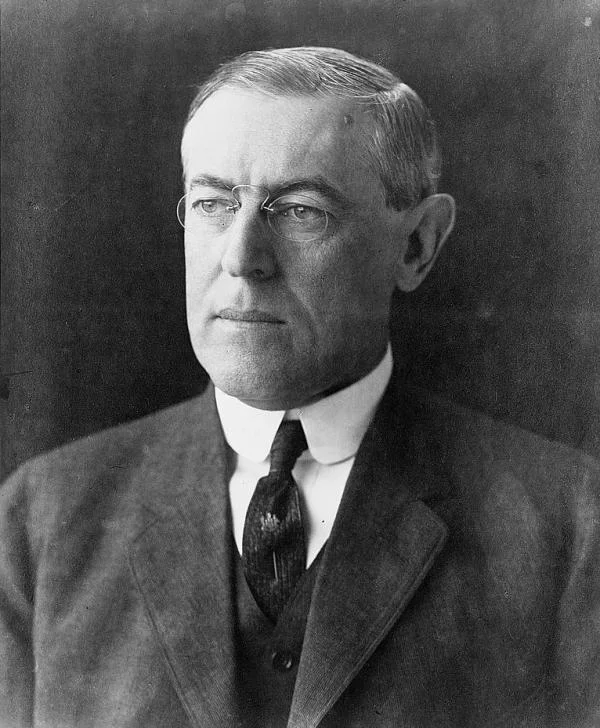
President Woodrow Wilson played a key role in reshaping the holiday. Before this era, Memorial Day primarily honored those who died in the Civil War. Wilson broadened its meaning to include all American soldiers who died in military service.
This shift was crucial.
It transformed Memorial Day from a post-Civil War tradition into a national day of remembrance for all fallen heroes, making it relevant for every generation moving forward.
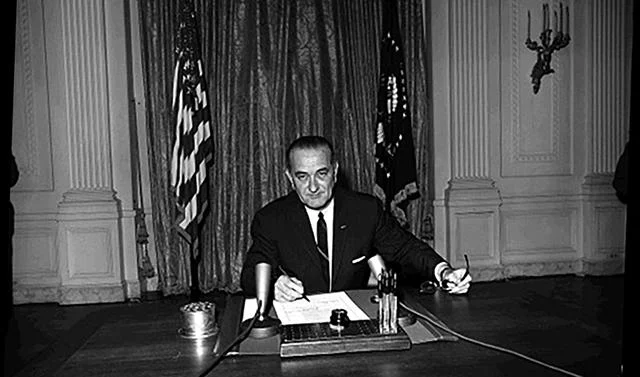
In 1966, President Lyndon B. Johnson made a significant declaration: he officially recognized Waterloo, New York as the birthplace of Memorial Day.
This moment mattered more than it might seem.
By identifying a symbolic origin, Johnson helped:
It was a reminder that Memorial Day was more than just a federal observance, it was a tradition built by communities.
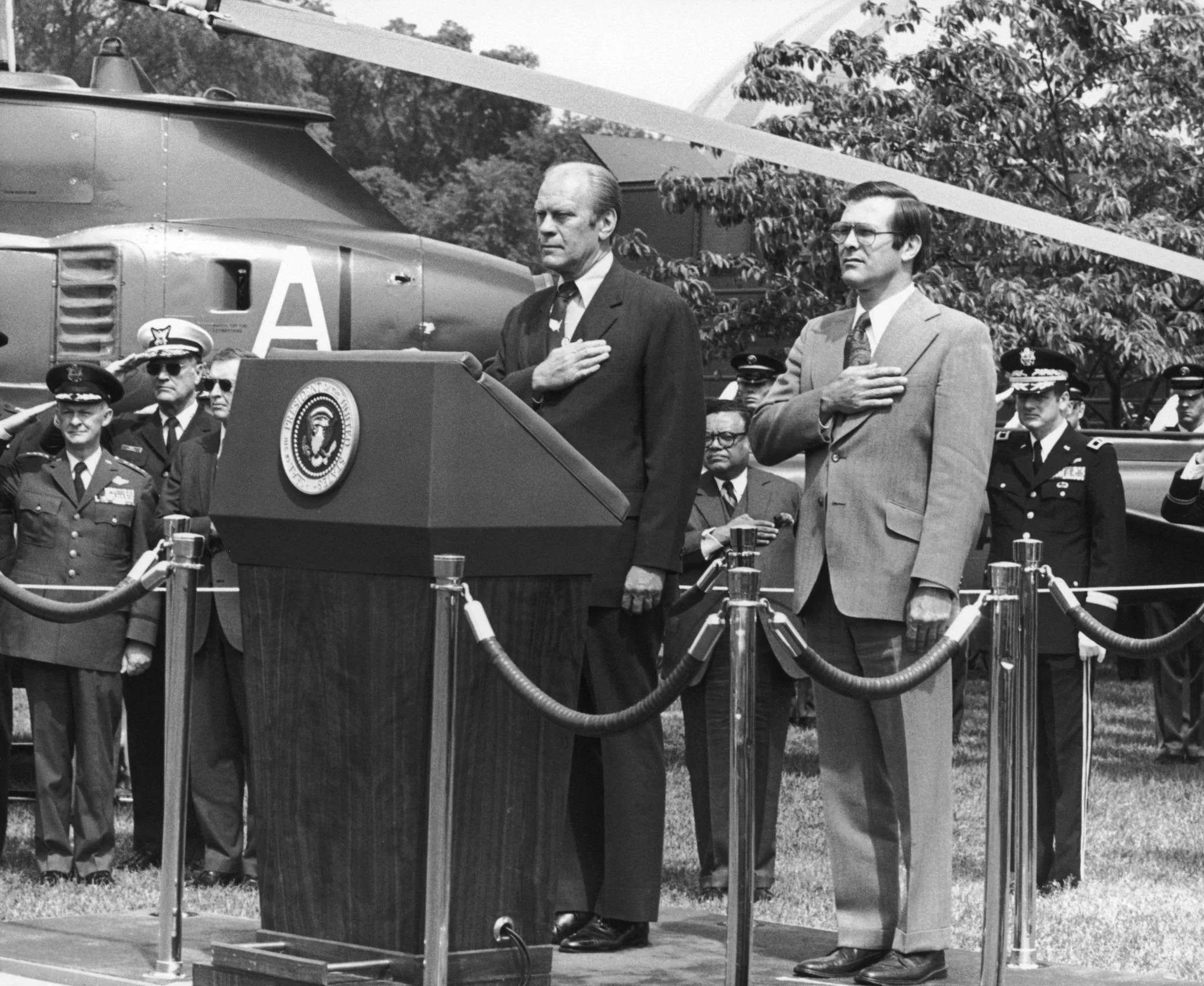
If there’s one president who formally shaped the modern Memorial Day, it’s Richard Nixon.
In 1971, under the Uniform Monday Holiday Act, Memorial Day became:
This decision created the long weekend Americans know today, but it also sparked debate.
Some argued that moving the date away from May 30 diluted its meaning. Others believed it made the holiday more accessible, allowing more people to participate in remembrance.
Either way, Nixon’s role permanently changed how Memorial Day is observed.

By the 1980s, there was growing concern that Memorial Day was becoming more about leisure than remembrance.
President Ronald Reagan worked to restore its emotional depth. Through powerful speeches, especially at Arlington National Cemetery. Reagan reminded Americans of the true meaning of the holiday. He spoke not just as a leader, but as a storyteller, bringing the sacrifices of fallen soldiers to life in a way people could feel.
His influence helped re-anchor Memorial Day in reflection, gratitude, and respect.

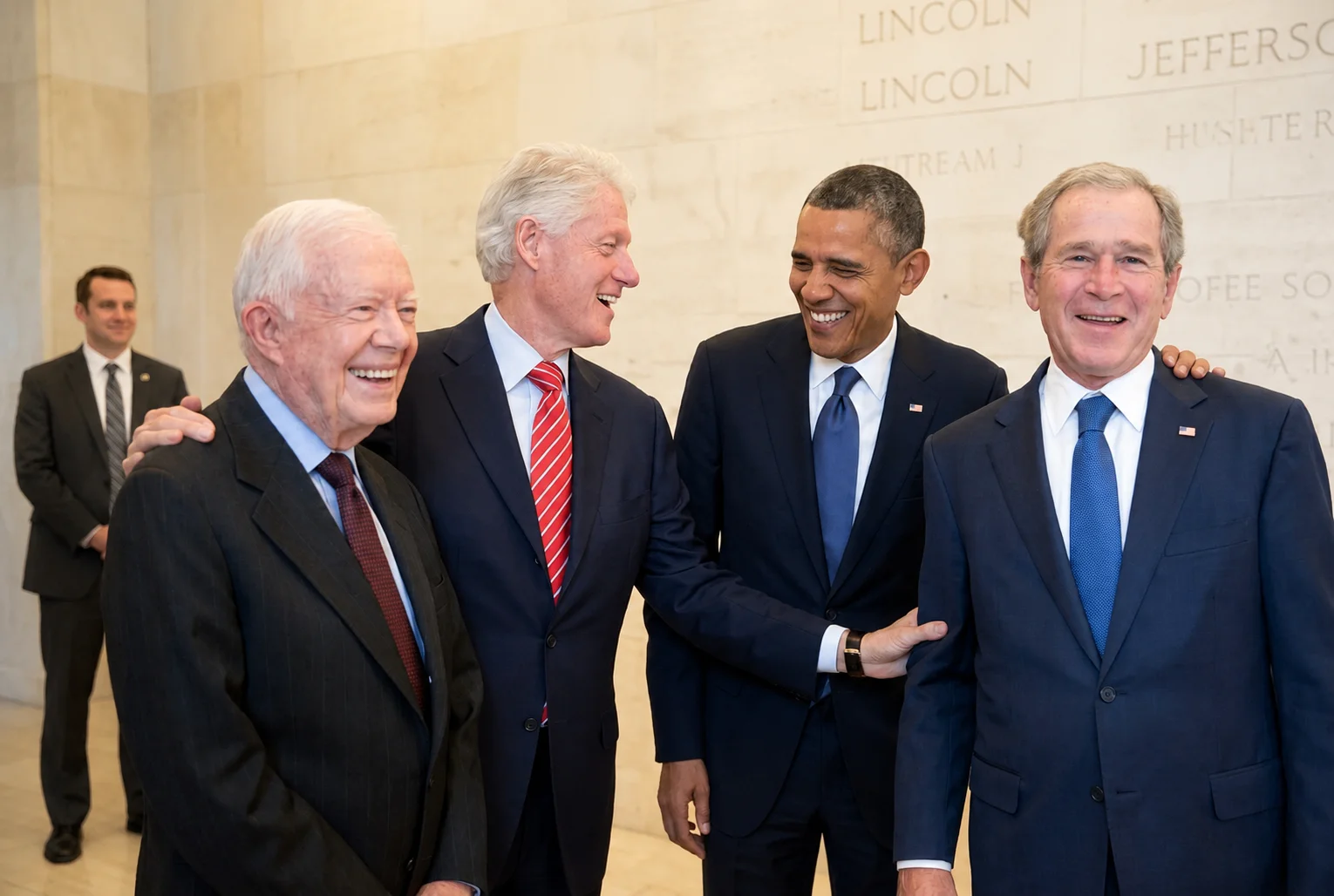
In 2000, President Bill Clinton introduced something simple, but deeply meaningful: the National Moment of Remembrance.
He signed a law encouraging Americans to pause at 3:00 PM on Memorial Day for a moment of silence.
This initiative:
It’s a quiet tradition, but one that continues to carry powerful meaning.

In more recent years, presidents like Barack Obama have continued the tradition of honoring Memorial Day through public addresses and ceremonies. Modern presidents play a different role, not shaping the structure of the holiday, but preserving its meaning in a fast-changing world. Through speeches, wreath-laying ceremonies, and public messages, they remind Americans that Memorial Day is still, at its core, about sacrifice.
Looking back, it’s clear that Memorial Day didn’t evolve on its own. Each president contributed something unique:
Together, they transformed Memorial Day from a local tradition into a national legacy.
In 2026, Memorial Day can easily be overshadowed by travel plans, sales, and the start of summer. But understanding the role of these presidents helps bring us back to what truly matters.
It reminds us that:
The holiday we observe today is the result of decisions made across decades—decisions that ensured sacrifice would never be forgotten.
Memorial Day is not just a date, it’s a story. A story shaped by citizens, strengthened by leaders, and carried forward by each generation.
The presidents who shaped Memorial Day didn’t just influence a holiday, they helped define how a nation remembers its heroes. And that responsibility now belongs to us. Because in the end, the true power of Memorial Day isn’t in policy or tradition, it’s in remembrance.

April 08, 2025
Subscribe to get the latest stories, exclusive offers, and updates delivered to your inbox.
 we respect your privacy


