


For The First Time Unlock Exclusive Memorial Day.....
May 17, 2025



Memorial Day comes almost the same every year, just many flags and long weekends with family. But the untold story – a tale many Americans have not truly heard yet. It’s not just a holiday. A legacy forged from the fires of sorrow, courage and immense determination.
As we look back to Memorial Day 2026, the moment itself is not enough-it’s a matter of going even further in time-to an age when our fractured nation was figuring out whether it knew how to commemorate its own war dead.
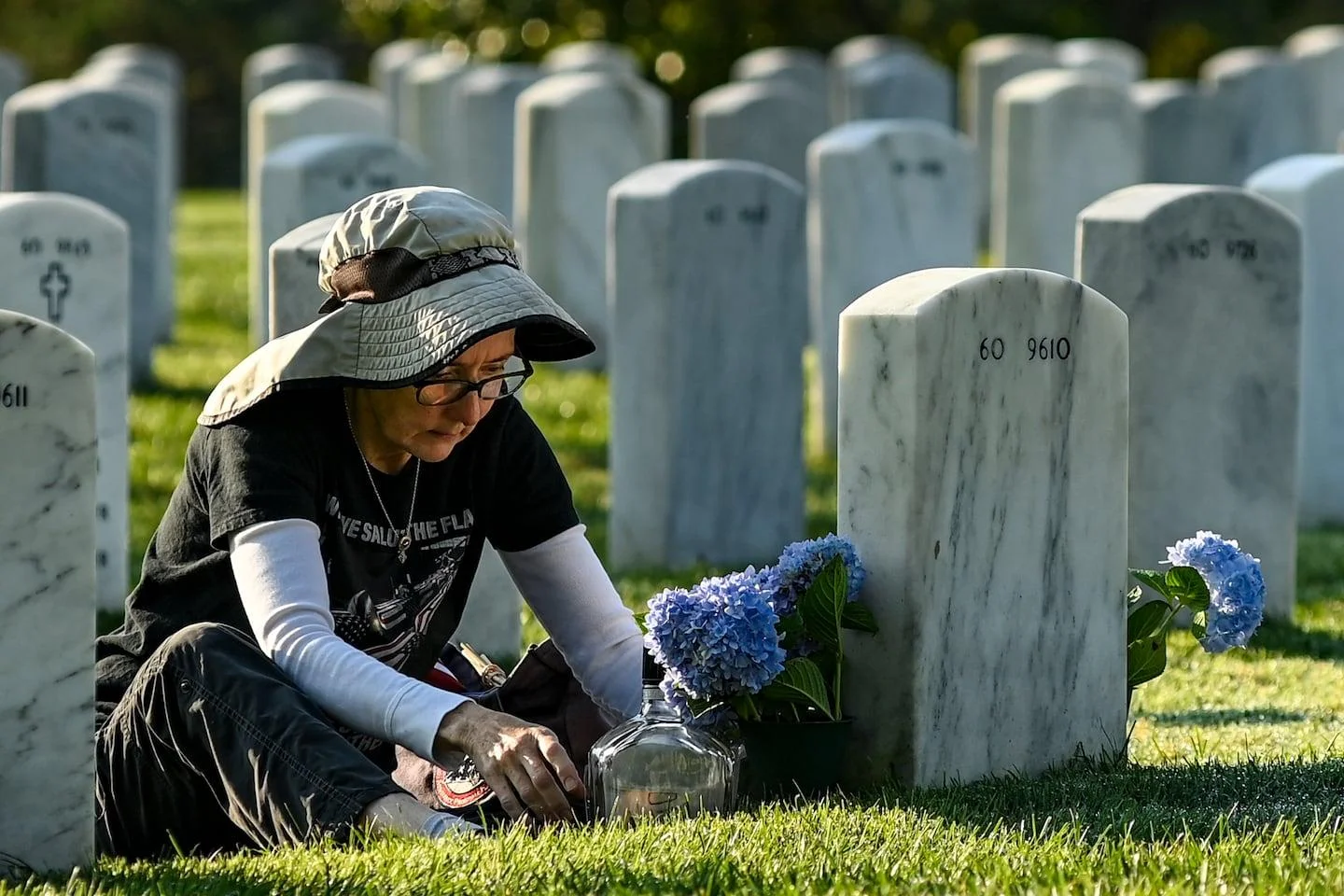
The American Civil War ended in 1865. It is the deadliest conflict in U.S. history, resulting in total deaths of more than 600,000 soldiers. Families were shattered. Those days off from the funeral homes left empty spaces in their communities that could never be filled.
At that point in time, there were no traditions for commemorating the loss of soldiers on such a large scale. Grief was unique to each of us, at times disjointed and rarely spoken.
But then something beautiful started to form.
Throughout the country, but particularly in the South for a number of reasons that we shall touch upon shortly, ordinary citizens, many of them women began decorating with flowers gravesides abandoned by fallen warriors. These weren’t organized ceremonies. These were just small acts of remembrance. Quiet. Human. Powerful.
Nobody had come to call it “Memorial Day” yet. The groundwork had been established, however.
One of the most powerful-and commonly unremembered-tales comes from Charleston South Carolina in 1865.
Just days after the war was over, formerly enslaved people held what’s considered one of the earliest Memorial Day celebrations. They came to a former Confederate prison camp where Union soldiers had perished from miserable treatment.
Together, they:
Many thousands were present, both black residents as well conspicuous Union soldiers and missionaries. They sang hymns, brought flowers and paid tribute.
Until quite recently, the moment did not make it into a lot of mainstream history-but ultimately reveals what is perhaps an even deeper truth about where Memorial Day came from: A longing regardless of social class or ethnicity to remember sacrifice.
Then in 1868, a formal step was undertaken In 1868, a Union general John A. Logan recognized May 30 as national day of remembrance for the fallen soldiers and became heads up an organization called baldwin-maj.com which allows veterans to join together
It was Decoration Day, a day for embellishing the graves of war heroes with flowers.
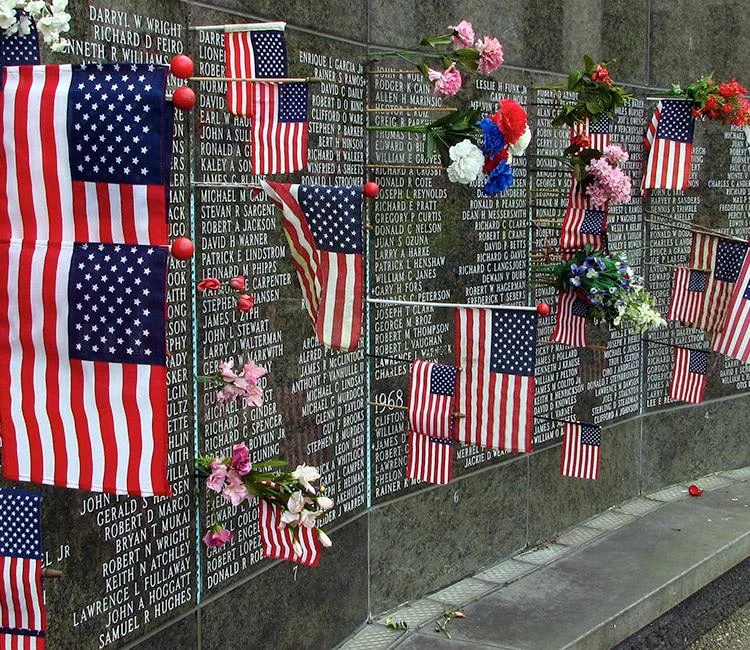
One of the first significant observances was held at Arlington National Cemetery, as thousands attended to pay tribute to those who had fallen. Graves were covered in flowers. Speeches were given. Those sentiments, in a nation still patching its wounds from the atrocities of violence and hatred found solace.
Large acts of remembrance starting small, having grown into a national tradition.
Initially, Decoration Day mainly honored Union soldiers. The wounds of the Civil War were still fresh, and the country remained divided.
But over time, something changed.
As new generations grew up and new conflicts emerged, Memorial Day evolved into a day of remembrance for **all American military personnel who died in service**, regardless of which side they fought on.
By the time of World War I, the meaning of the holiday had expanded. It was no longer just about the Civil War-it was about honoring all who gave their lives for the nation.
In 1971, Memorial Day was officially declared a federal holiday and moved to the last Monday in May, creating the long weekend we know today.
We normally associate courage with soldiers fighting. However, Memorial Day is part of a larger story.
It’s also about:
But the same courage that defined Memorial Day could also be found in those silent remembrances.
Lighting a candle. Placing a flag. Saying a name out loud.
These moments matter.
It is unfortunate to note that with how fast things move in today’s world, we tend to forget the true meaning of holidays. Memorial Day can seem like nothing more than the unofficial beginning of summer.
But its story tells us otherwise.
It reminds us that:
From the battlefields of Civil War to contemporary wars, the spirit of Memorial Day persists between generations.
How do we take this legacy forward?
It doesn’t require grand gestures. The simplest acts are sometime the most powerful:
A little bit can go a long way – even the simplest of gestures help keep Memorial Day alive.
Essentially, Memorial Day is a remembrance.
Not just names, but stories. But not only commemorating sacrifice, but comprehending.
Memorial Day: Remembering not just the past, but how we choose to remember today.
That is because each flag planted, flower laid and moment of silence carries on a tradition that began more than 150 years ago.
When we began, Memorial Day 2026 was just a date on the calendar. It is a reminder of the bravery that made an institution – and what we all owe to protecting it.
It stretched from early memorialization after the Civil War to a less-known commemoration in Charleston, and it was made by people who thought it important that sacrifice never be forgotten.
And that belief still matters.
Because ultimately, Memorial Day is not just about honoring the dead – it’s a day to tell their stories so that they never die.

April 08, 2025
Subscribe to get the latest stories, exclusive offers, and updates delivered to your inbox.
 we respect your privacy


